

CRITICAL POWER
Total Continuity. Zero Downtime.
Hybrid systems for operations where downtime isn't an option.
Solar, storage, and other energy sources, integrated under a smart management system that keeps operations stable, resilient, and running with greater autonomy in the face of grid failures.
Built for critical infrastructure, telecommunications, and healthcare operations, as well as operations in remote areas or with heavy diesel dependency, where an interruption isn’t just inconvenient: it comes at a real cost.
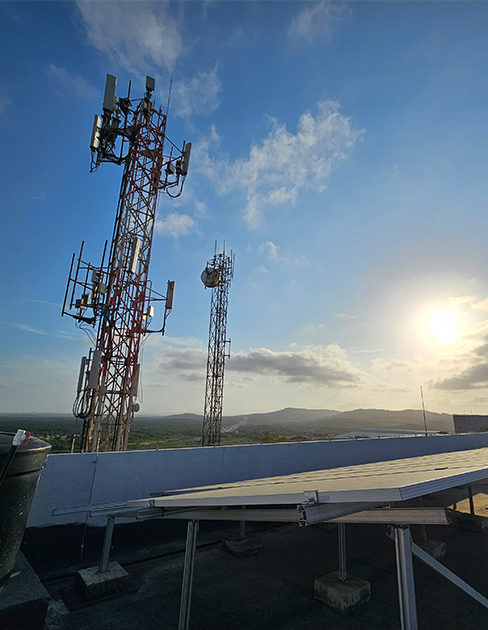
Resilience You Can Feel in Operations
designed for nostop performance operations
Built for Demanding Sites
Continuity where it matters most
Telecommunications continuous operation of towers, base stations, and monitoring centers.
Critical infrastructure where an interruption isn’t just a technical problem
Healthcare where continuity isn’t optional, it’s a requirement.
Heavy diesel dependency Operations that currently keep running on fuel alone, with all the cost and logistical risk that carries.
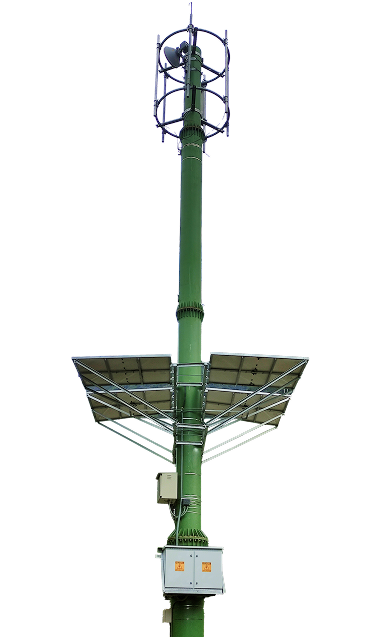
Resilience You Can Feel in Operations
Less risk, more stability
Reduced diesel dependency Lower costs and less exposure to fuel-related risk.
On-site or remote microgrids Solutions tailored to the site, grid-connected or fully off-grid.
Climate resilience Continuity for infrastructure exposed to extreme weather events.
Frequently Asked Questions About Critical Power
Answers to guide your clean energy journey
How is this different from conventional backup (a UPS or diesel generator)?
It integrates multiple energy sources and storage under a smart management system, rather than relying on a single backup source that only kicks in after a failure.
Does it work at sites with no grid connection?
Yes. It‘s built for both weak-grid operations and fully off-grid sites, including microgrid setups.
What level of autonomy can my operation achieve?
It depends on your critical loads and the site‘s energy profile; each project is structured around the level of autonomy and resilience your operation actually needs.
Which sectors stand to benefit most?
Especially critical infraestructure, telecommunications, healthcare, and operations in remote areas or with heavy diesel dependency for continuity.
Can it be combined with sources I already have, like diesel generators?
Yes. It can integrate the sources you already have on-site to reduce their use and improve the overall reliability of the system.