

THERMAL CORE
Your Thermal Plant. More Profitable.
Solar and storage hybridization for thermal plants
Solar and storage, coordinated with the thermal asset you already have, not replacing it. The goal is a plant that runs more efficiently, more stably, and more flexibly, while cutting fuel costs.
Built for thermal generators, utilities operating this type of asset, and clients with their own thermal generation looking to improve performance without giving up the reliability of their current operation.
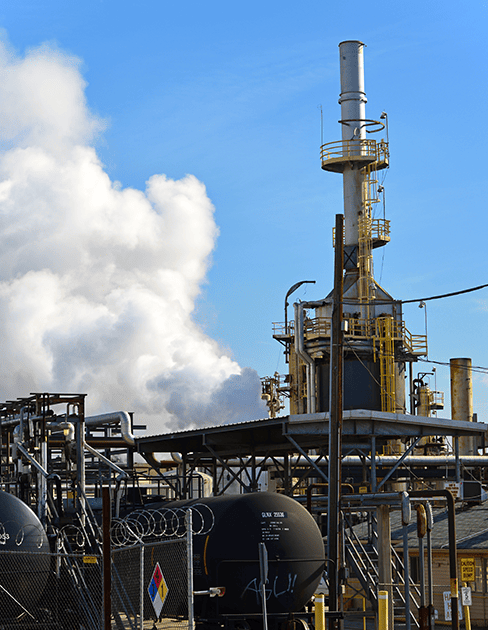
Without Replacing What Already Works
Hybridization, not replacement
Coordinated hybridization
Solar and storage working alongside the thermal asset, not disconnected
in parallel.
Less wear on the asset
A more stable operation,
with fewer forced start-ups
and ramps.

New Revenue Streams
The asset doesn't just save — it earns
Ancillary services (frequency regulation)
Primary and secondary frequency regulation enabled by hybridization.
Energy arbitrage
Making the most of the flexibility storage provides.
Greater operational stability
Better ramps, start-ups, and operating cycles.
Backed by anIn-House Ecosystem
Part of the same group that has been designing, building, and operating energy systems across the region since 2012, with the in-house capacity to support hybridization from start to finish.
Frequently Asked Questions About Thermal Core
Answers to guide your clean energy journey
What does "hybridizing" a thermal asset mean?
Adding solar generation and storage to an existing thermal plant, coordinating both sources so the asset runs more efficiently and at a lower fuel cost.
Does this replace my current thermal plant?
No. The solution complements the existing thermal asset; the goal is to optimize its performance, not replace it.
How does this generate additional revenue?
Through ancillary services like frequency regulation and energy arbitrage strategies, both enabled by hybridization.
Does this apply to any type of thermal plant?
It applies mainly to thermal generators and utilities with their own assets looking for greater efficiency or to bring renewables into the mix without compromising operational reliability. Each case is evaluated based on the asset’s profile.
What do I gain beyond fuel savings?
Greater operational stability, less wear from start-ups and ramps, and access to new revenue streams through ancillary services.